
Marketing has changed more in the last few years than it did in the previous few decades. Artificial intelligence is now shaping how brands communicate, advertise, and grow. Because of this shift, many businesses are asking an important question: is AI marketing actually better than traditional marketing, or do we still need both?
The truth is that there is no simple winner. Both approaches still work, but they work in very different ways. The real success today comes from understanding how each one functions and how they can support each other rather than compete.
Understanding Traditional Marketing
Traditional marketing refers to the older, offline methods that brands have used long before digital tools existed. This includes things like television and radio advertisements, newspaper and magazine ads, billboards placed in high-traffic areas, printed flyers and brochures, and physical promotions such as events and sponsorships. These methods were the foundation of advertising for decades and are still used today by many large and local businesses.
Traditional marketing still works because it creates strong visibility. When a brand appears on a billboard or on television, it naturally reaches a large audience at once. It also builds trust because people tend to associate established media platforms with credibility. Another strength is that it can create emotional impact. A well-produced advertisement on TV or a powerful billboard design can stay in someone’s memory for a long time.
However, traditional marketing also comes with challenges. It is often very expensive to produce and distribute campaigns. Once a campaign is launched, it is difficult to make changes or improvements quickly. It also does not provide detailed insights into customer behavior, which makes it hard to measure exactly what is working and what is not.
Understanding AI Marketing
AI marketing refers to the use of artificial intelligence tools to plan, manage, and improve marketing efforts. Instead of relying only on human guesswork or manual analysis, AI systems study large amounts of data and help marketers make smarter decisions. This includes things like targeting the right audience, creating content automatically, optimizing advertisements in real time, and even predicting what customers are likely to do next.
AI marketing has become extremely powerful because it makes everything faster and more efficient. Campaigns can be created and launched in a much shorter time, and performance can be improved continuously based on live data. It also allows businesses to target very specific audiences instead of broad groups, which often leads to better results and higher return on investment. Another major advantage is cost efficiency, because automation reduces the need for repetitive manual work.
At the same time, AI marketing is not perfect. It depends heavily on data, and if the data is poor or incomplete, the results will not be accurate. It can also sometimes lack emotional depth, meaning the content it produces may feel generic or less human. This is why AI still needs human creativity and strategy behind it to guide its output effectively.
Comparing AI and Traditional Marketing
When we look at both approaches side by side, the differences become very clear. AI marketing is much faster because it can analyze data and optimize campaigns in real time without delays. Traditional marketing, on the other hand, takes longer because it involves physical production and fixed placements.
AI marketing is also more cost-efficient in the long run because it reduces manual effort and improves targeting accuracy. Traditional marketing often requires higher budgets for production and media space, especially for television or print campaigns.
In terms of targeting, AI is far more precise. It can identify user behavior, interests, and online activity to deliver highly relevant ads. Traditional marketing does not have this level of precision and instead focuses on reaching a broad audience.
However, traditional marketing still has an advantage when it comes to emotional connection and brand authority. A strong television commercial or a well-known billboard campaign can build a sense of trust and recognition that digital systems alone sometimes cannot fully replicate.
So Which One Actually Works Better?
The answer depends on what a business is trying to achieve. AI marketing is more effective when the goal is performance, speed, and measurable results. It allows businesses to reach the right audience, track everything, and continuously improve campaigns based on data.
Traditional marketing is more effective when the goal is brand awareness, emotional storytelling, and long-term recognition. It helps businesses build a strong presence in the physical world and create familiarity with large audiences.
Neither approach is completely enough on its own in today’s environment. Businesses that rely only on traditional methods often struggle to compete in a digital-first world, while businesses that rely only on AI sometimes miss the emotional and trust-building side of marketing.
The Best Approach: Combining Both
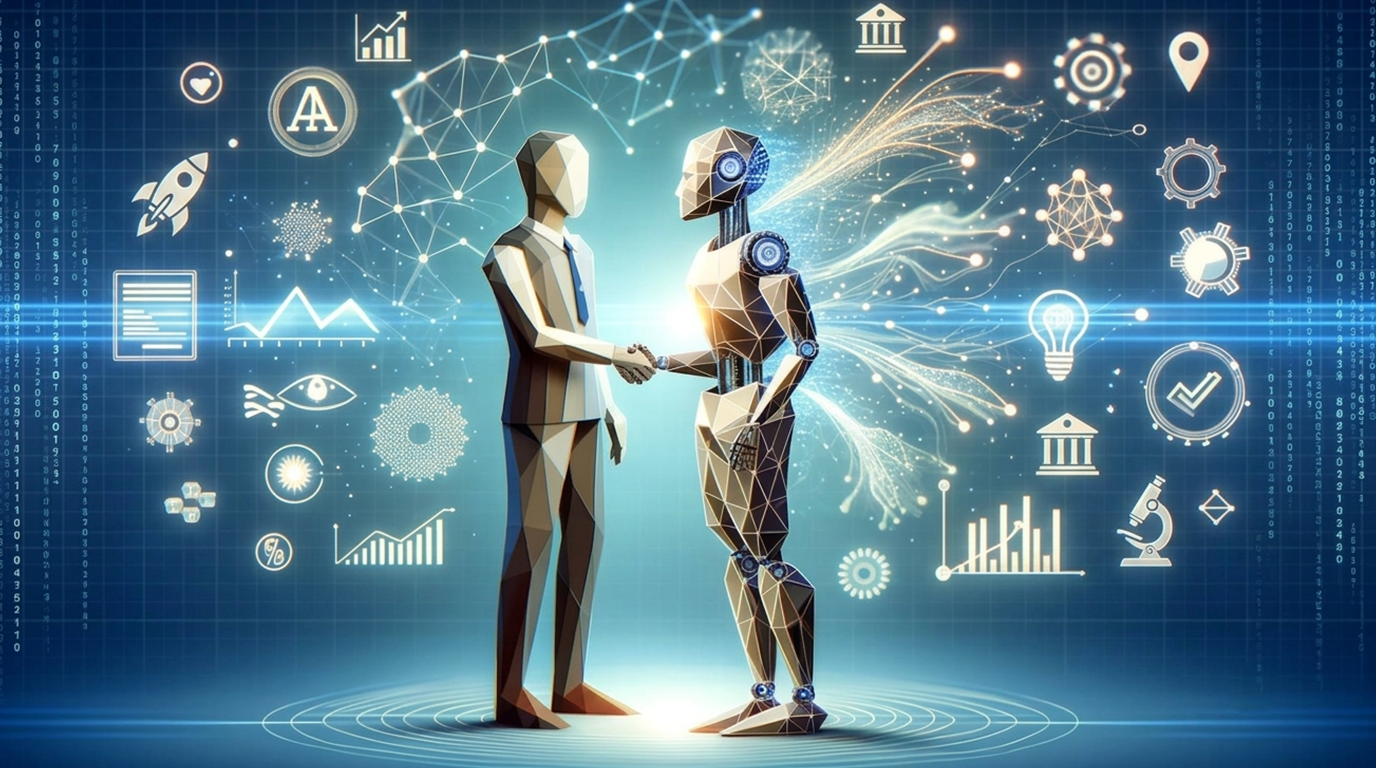
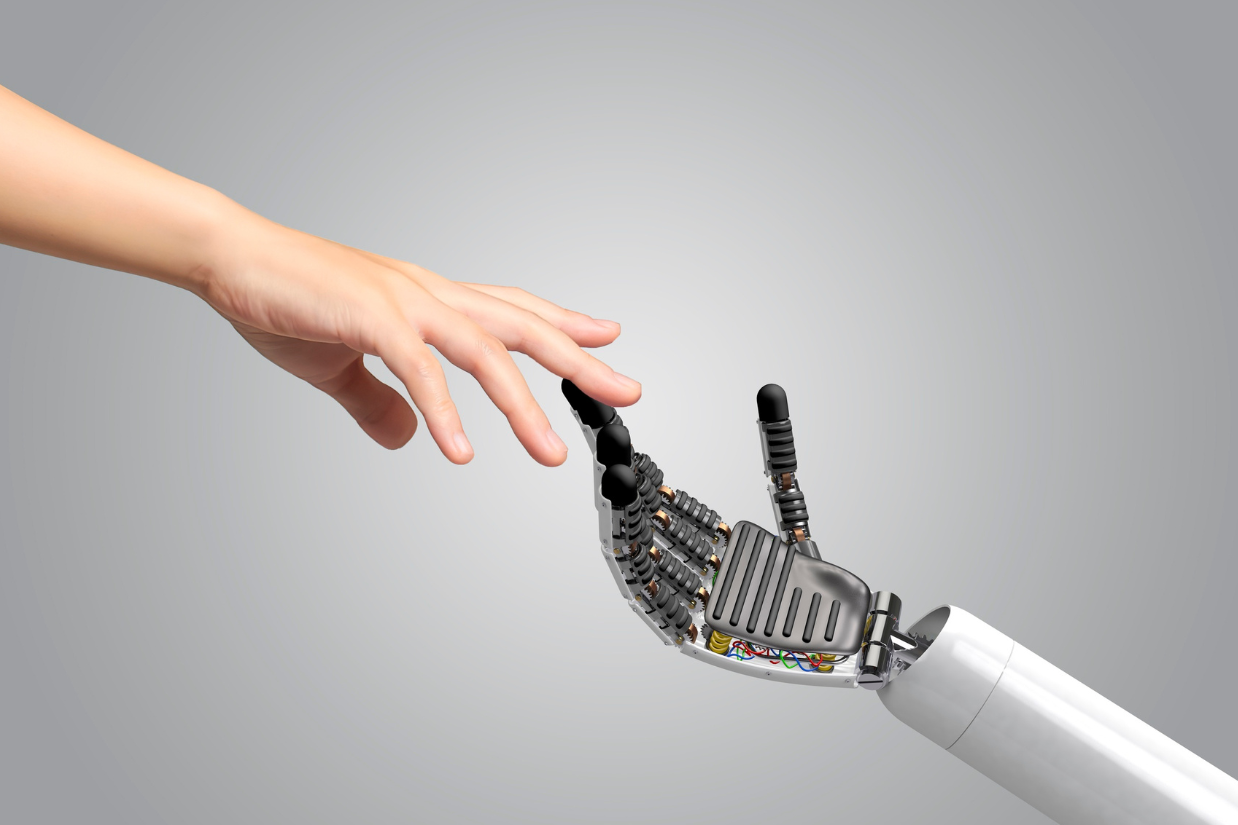
The most successful brands today use a combination of both AI and traditional marketing. They use AI to understand customer behavior, design targeted campaigns, and improve performance continuously. At the same time, they use traditional marketing to build brand identity, emotional connection, and offline visibility.
For example, a business might use AI tools to run highly targeted social media ads while also investing in outdoor advertising or event marketing to strengthen brand recognition. AI can then be used again to measure how these traditional efforts influence customer engagement and sales.
This combination creates a complete marketing system where data and creativity work together instead of separately.
Final Thoughts
In the end, the question is not about which one is better in isolation. AI marketing is stronger in efficiency, targeting, and performance optimization. Traditional marketing is stronger in trust, emotion, and brand presence.
The real power comes from using both together in a strategic way. Businesses that understand this balance are the ones that will grow faster and build stronger brands in the modern marketing landscape.
If there is one clear takeaway, it is this: marketing today is not about choosing between AI and traditional methods, but about combining intelligence with creativity to achieve the best possible results.