If 2023 was the year of AI curiosity and 2025 was the year of implementation, 2026 is the year of total transformation. Digital marketing agencies are no longer just “using” AI; they have rebuilt their entire infrastructure around it. The result isn’t a world of robotic, cold content—it’s an era of hyper-precision, predictive strategy, and high-performance creativity.
Here is how AI has officially revolutionized the digital agency landscape in 2026.
From Reactive to Predictive Strategy
In the past, agencies spent weeks analyzing last month’s data to figure out what went wrong. In 2026, we don’t look back—we look forward.
- Anticipation over Automation:AI now predicts market shifts and consumer needs before a human even writes a brief. Using Predictive Analytics, agencies can forecast campaign performance with 90%+ accuracy before a single dollar is spent.
- The End of Churn:Agencies now use “Propensity Modeling” to identify which customers are likely to leave a brand and automatically trigger personalized retention sequences to keep them.
The Rise of “Zero-Visit” Visibility
The biggest shift of 2026 is the move from a “web you browse” to a “web that is mediated for you.” With AI agents like ChatGPT and Gemini handling the majority of search queries, the goal of SEO has changed.
- AI-Ready Infrastructure:SEO is no longer about keyword stuffing; it’s about Data Extraction Optimization. Agencies are rebuilding websites to be “parsed” by AI assistants, ensuring that when a user asks their phone to “find and book the best local plumber,” your client is the one the AI chooses.
- Zero-Click Dominance:As AI provides answers directly in search interfaces, agencies are focusing on Source Authority—ensuring their clients are the “cited sources” that the AI trusts.
Hyper-Personalization at Infinite Scale
Remember when “personalization” just meant putting a first name in an email? That looks like the Stone Age now.
- Dynamic Creative Optimization (DCO):Agencies are using AI to generate thousands of variations of a single ad in real-time. If you’re a dog lover in a cold climate, you see the product in a snowy park with a Golden Retriever. If your neighbor is a hiker in the desert, they see the same product on a trail in Sedona.
- Media Dollars on Steroids:Because AI has slashed the cost of creative production, agencies aren’t spending less—they’re spending more Testing 15 audience segments instead of three is now the baseline.
The “Human-in-the-Loop” Creative Revolution
The fear that AI would kill creativity has been replaced by the reality that AI has liberated it.
- The Boring Stuff is Gone:AI now handles the “drudge work”—resizing assets for 20 different platforms, basic SEO audits, and data clustering.
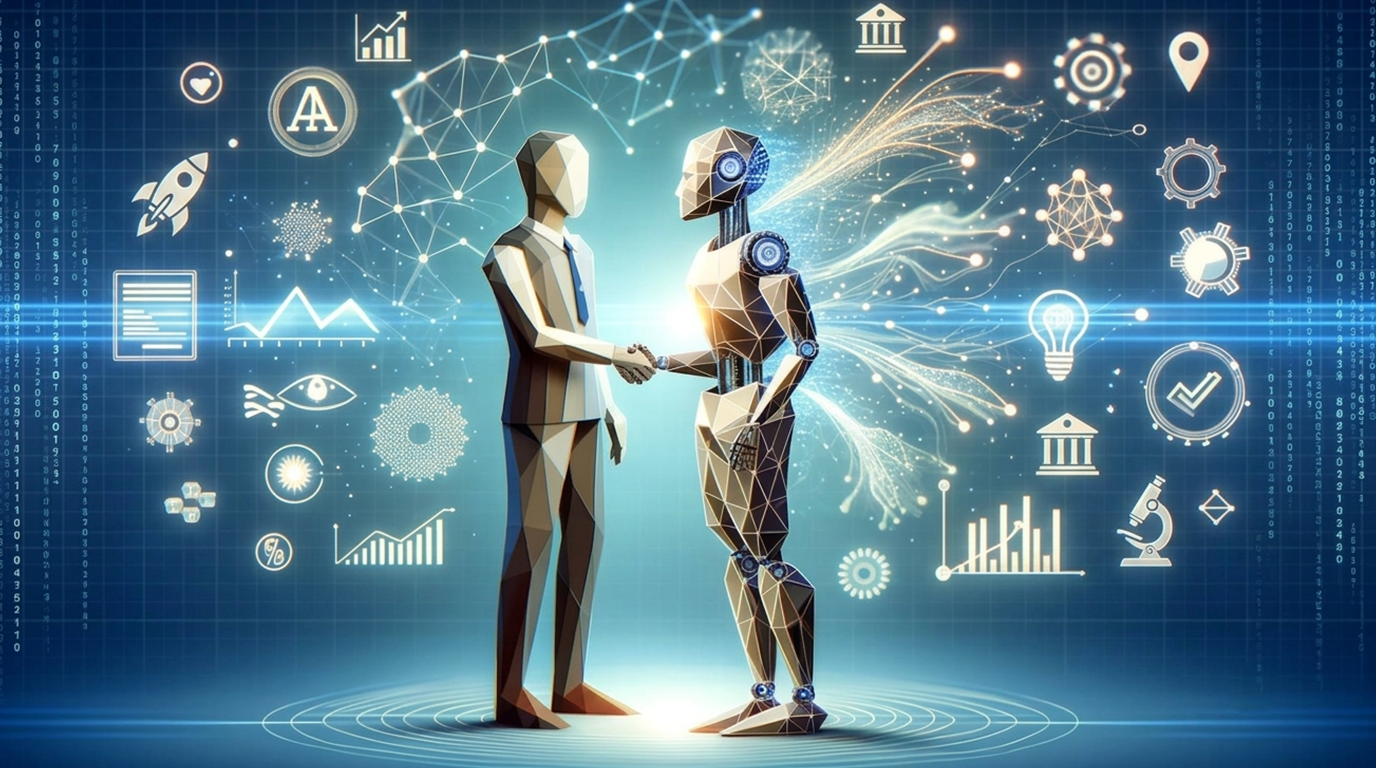
- The “Cyborg” Workflow:Creative directors now act as Orchestrators. They guide AI systems to generate 50 “mood board” concepts in minutes, then use their human instinct to pick the one that has the most “soul” and cultural relevance.
First-Party Data is the New Creative Engine
With privacy laws tighter than ever in 2026, the agencies that are winning are the ones that have mastered First-Party Data.
- Proprietary Intelligence:Agencies are helping brands turn their own customer support logs, CRM data, and purchase histories into custom AI models. This allows for a brand voice that is 100% unique and impossible for competitors to replicate.
The Bottom Line: The “Agency” is More Important Than Ever
While a business owner could use AI tools themselves, the complexity of the 2026 ecosystem requires an expert pilot. The role of the agency has shifted from “The People Who Make the Ads” to “The Strategic Partners Who Manage the Intelligence.”
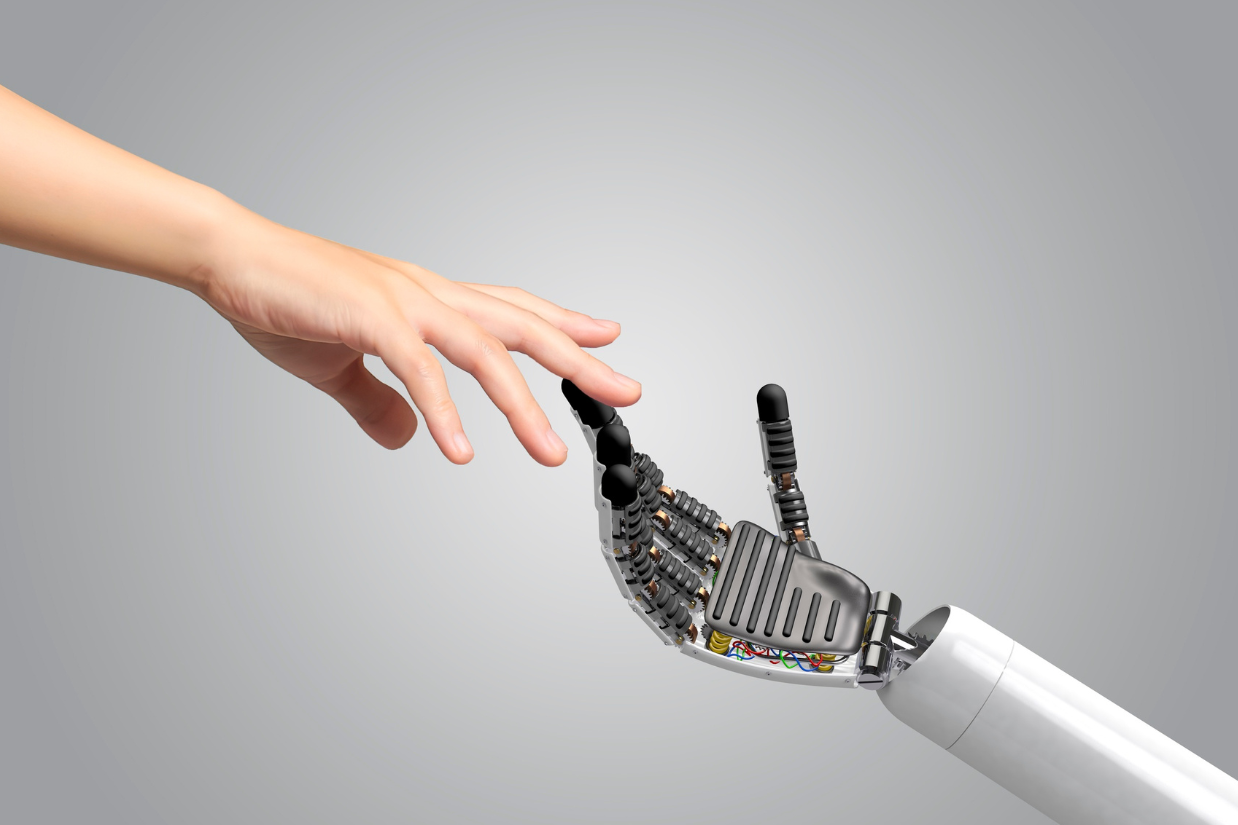
In 2026, the most successful brands aren’t the ones with the biggest AI budget—they’re the ones with the best human-AI partnership.
Is your brand still operating on a 2024 playbook? Let’s talk about how we can take you from “surviving the shift” to “leading the revolution.”